QuickPass
Area Notes · free notes

The neighbourhoods and regions, read at street level.

Area Notes are the notes that are about a place at neighbourhood or regional scale rather than a single museum or temple. They cover Coptic Cairo as a walking quarter, Islamic Cairo with the Khan and the Mamluk monuments, the Cairo corniche, Alexandria as a Mediterranean city rather than a Cairo annex, the Luxor west bank as a community living among the tombs, Aswan as a slow river city, and the Sinai monastic sites. These notes are longer than the museum or temple notes because the subject is more diffuse — a quarter rewards a longer read in a way a single monument does not. As always, free, no account, no paywall.

The area notes do not repeat the visit information that lives in the museum and temple notes. The opening hours, ticket breakdowns and side-door tips stay there. The area notes carry the architecture, the social history, the resident community, the food and the rhythm of a place — the context that the visit-by-visit notes deliberately leave out. Read both layers together and you get something close to a real guide for an adult traveller; read either alone and you get either a pamphlet or an essay.

Cairo quarters

Cairo, neighbourhood by neighbourhood

Coptic Cairo quarter
Cairo · Quarter

Coptic Cairo, as a walking quarter

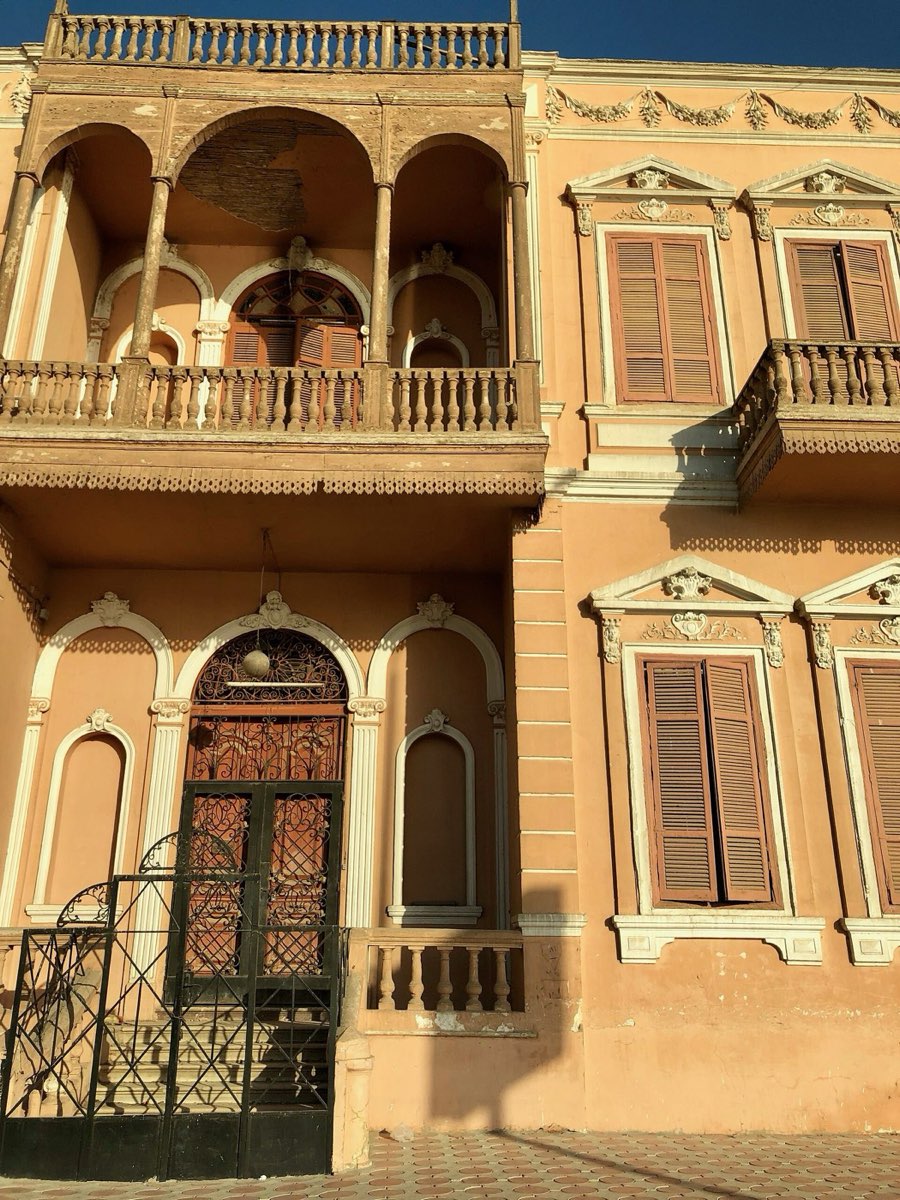
The Hanging Church, Ben Ezra and the Coptic Museum read as one neighbourhood rather than three sites, with the small lanes between them, the donation conventions, the dress code, and the gentle tension between pilgrims and tourists after the November 2025 restoration.

Re-walked Mar 2026 · H.R.Read note →
Al-Muizz Street Mamluk monuments
Cairo · Quarter

Islamic Cairo and the Mamluk corridor

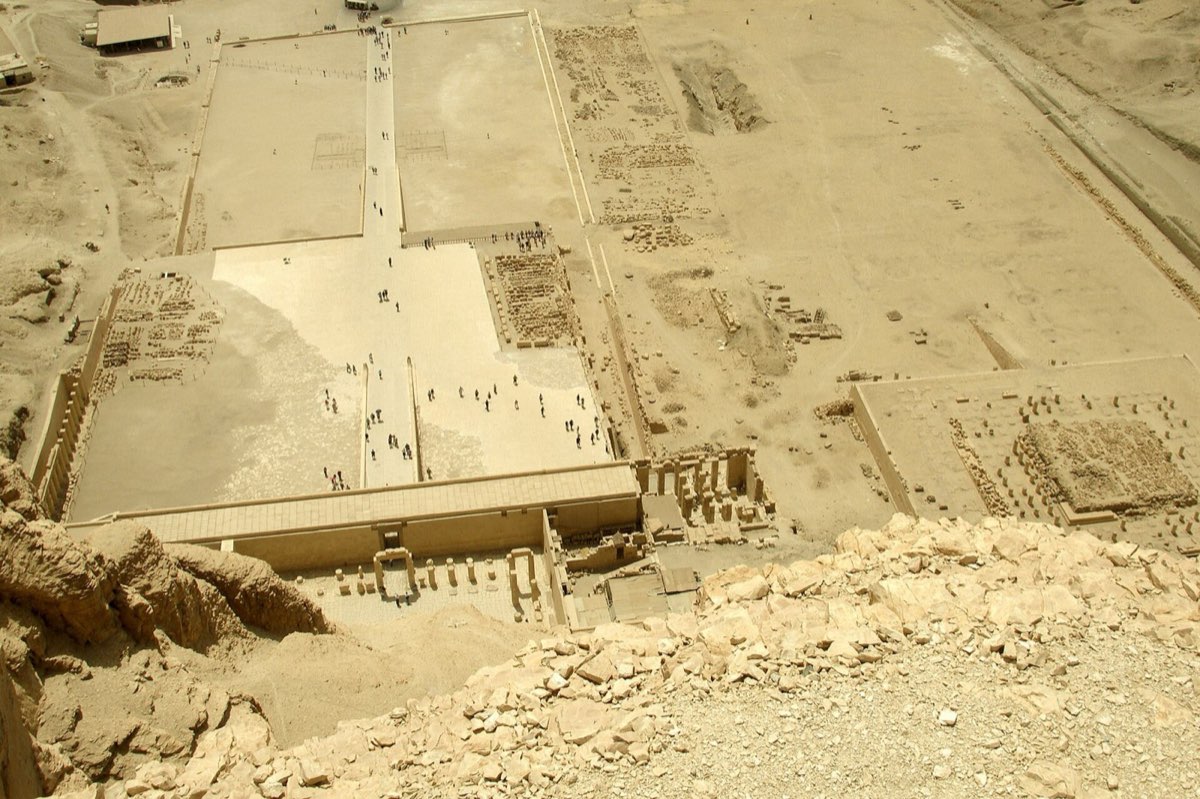
Al-Muizz Street from Bab Zuwayla to Bab al-Futuh, walked as a single architectural sequence — the sabils, the Sultan Qalawun complex, the Bashtak palace — plus the Citadel, Sultan Hassan and Al-Rifa'i. The spine of Mamluk Cairo, with a practical walking route.

Re-walked Mar 2026 · H.R.Read note →
Khan el-Khalili lit at night
Cairo · Evening

The Khan after dark

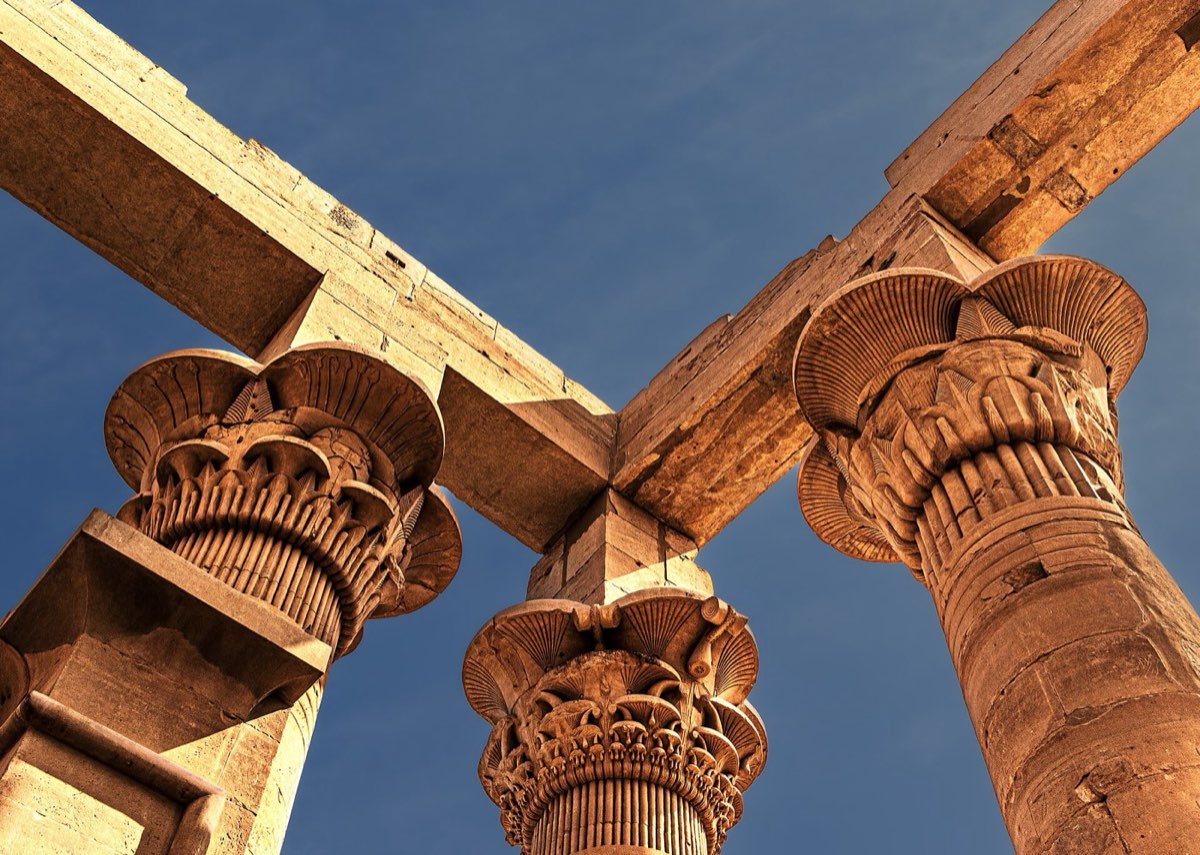
The Khan el-Khalili evening as theatre — the brass alley, the spice corners, the older cafés, the rooms behind the rooms — with realistic haggle ranges in Egyptian pounds and a note on which lanes are theatre and which are genuinely worth shopping.

Re-walked Apr 2026 · H.R.Read note →
Cairo corniche along the Nile
Cairo · River

The Cairo corniche as a working river

The Nile-side corniche from Garden City to Maadi read as a working river — the dahabiya moorings, the felucca traffic, the riverside cafés below the Garden City escarpment, and the Cairo skyline seen from a moving boat.

Re-walked Mar 2026 · H.R.Read note →
Alexandria, Luxor, Aswan

The cities beyond Cairo

Alexandria corniche on the Mediterranean
Alexandria · City

Alexandria as a Mediterranean reading

Reading Alexandria as a Mediterranean city rather than a Cairo annex — the Greek and Italian layers under the Mansheya facades, the Levantine kitchen in Bahari, the fish-market protocol, and why two nights beats a day-trip if you want the city rather than just its sites.

Re-walked Mar 2026 · H.R.Read note →
Luxor west bank village
Luxor · Community

Living among the tombs — the west-bank village

The west-bank villages — Gurna, Al-Tarif and the clusters along the necropolis — as a community living among the tombs rather than visiting them. The 2007 displacement, the surviving alabaster workshops, and the donkey routes between the necropolis and the cultivated strip.

Re-walked Feb 2026 · T.E.Read note →
Aswan corniche with feluccas
Aswan · City

Aswan as a river city

Aswan read as the slowest city in Egypt, in the good sense. The corniche walked end to end, the working felucca economy, the Nubian-village ferry, the Old Cataract as a structure, and how the Aswan day actually feels compared with Cairo or Luxor.

Re-walked Feb 2026 · T.E.Read note →
Sinai & the desert edges

The Sinai monasteries and the quiet edges

Saint Catherine monastery in the Sinai
Sinai · Monastery

Saint Catherine's Monastery

The Sinai monastery's icon collection — the oldest continuously-curated holdings of Byzantine icons anywhere — read alongside the architecture of the precinct, with the Burning Bush courtyard rules and the realistic visitor protocol.

Re-walked Jan 2026 · H.R.Read note →
Mount Sinai at dawn
Sinai · Climb

Mount Sinai overnight

The overnight climb with the dawn descent — what the path feels like at 02:00, the summit-chapel rules, and why the camel option is more honest than the literature usually admits. A note on the realistic safety and the guide arrangement.

Re-walked Jan 2026 · H.R.Read note →
Coastal town at the edge of the desert
Sinai · Base towns

Dahab and Sharm as base towns

Dahab and Sharm el-Sheikh read as base towns for the Sinai monastic sites and the Ras Mohammed dive sites, rather than as resorts in themselves. Where to stay, the transfer to Saint Catherine, and what the towns actually deliver beyond the beach.

Re-walked Jan 2026 · H.R.Read note →

How the area notes work alongside the visit notes

The area notes are the context layer of the guide. Where a museum or temple note is a close read of a single place — what the ticket covers, the room worth your hour, the side door — an area note is the longer essay on the neighbourhood or region that holds it. The two are deliberately separate. A reader visiting Coptic Cairo benefits from both the Coptic Museum note for the visit and the Coptic Cairo area note for the quarter as a whole. One gives you the visit; the other gives you the place.

We keep a working rule that no area note repeats the visit information from a museum or temple note. The opening hours and ticket prices stay where they belong. The area notes carry the architecture, the social history, the resident community, the food and the residential rhythm — the things a visit-by-visit note cannot show. Together the two layers produce something closer to a real guide than either could alone, which is the whole reason we split them.

Common questions about the regions

Where is the line between Coptic Cairo and Old Cairo?

Coptic Cairo is the older Christian quarter inside the Roman fortress walls — three churches and the Coptic Museum, all within a five-minute walk of Mar Girgis metro. Old Cairo is the broader Fustat district, the seventh-century Arab camp that grew into the city. They overlap geographically but read differently — one a heritage quarter, the other a working district.

Is Islamic Cairo really walkable?

Mostly. Al-Muizz Street between Bab Zuwayla and Bab al-Futuh is genuinely walkable end to end and is the architectural spine. The side streets are more variable — some pleasant, some hot and dusty. The area note lays out the route. The Citadel-to-Khan walk is longer than it looks; budget an hour each way.

Is Alexandria worth more than a day-trip?

Yes, if you read the city as a Mediterranean place rather than a destination for the big sites. The day-trip does the sites well but not the corniche walk, the Bahari evening or the residential rhythm. Two nights is the minimum we recommend for a real reading of the city.

How safe is the Sinai?

The tourist corridor — Saint Catherine, the Mount Sinai path, Dahab, Sharm, the Ras Mohammed dive sites — is safe in the everyday sense, with a heavy tourist-police presence. The northern Sinai is under intermittent military operation and is not a tourist destination. Our notes cover only the southern corridor.

Why no notes on the Red Sea resorts?

Because they are resorts rather than heritage destinations, and the cultural angle the guide covers stops where the resort element begins. We cover Dahab and Sharm as base towns for the Sinai monastic sites and the dive sites, but a stand-alone resort note would not fit what the guide is for.

The area notes are re-walked each year.

Neighbourhoods change slowly, so these get a yearly walk rather than a seasonal one. Spot something out of date? Tell the desk and we will fix it within a week.

Flag a change